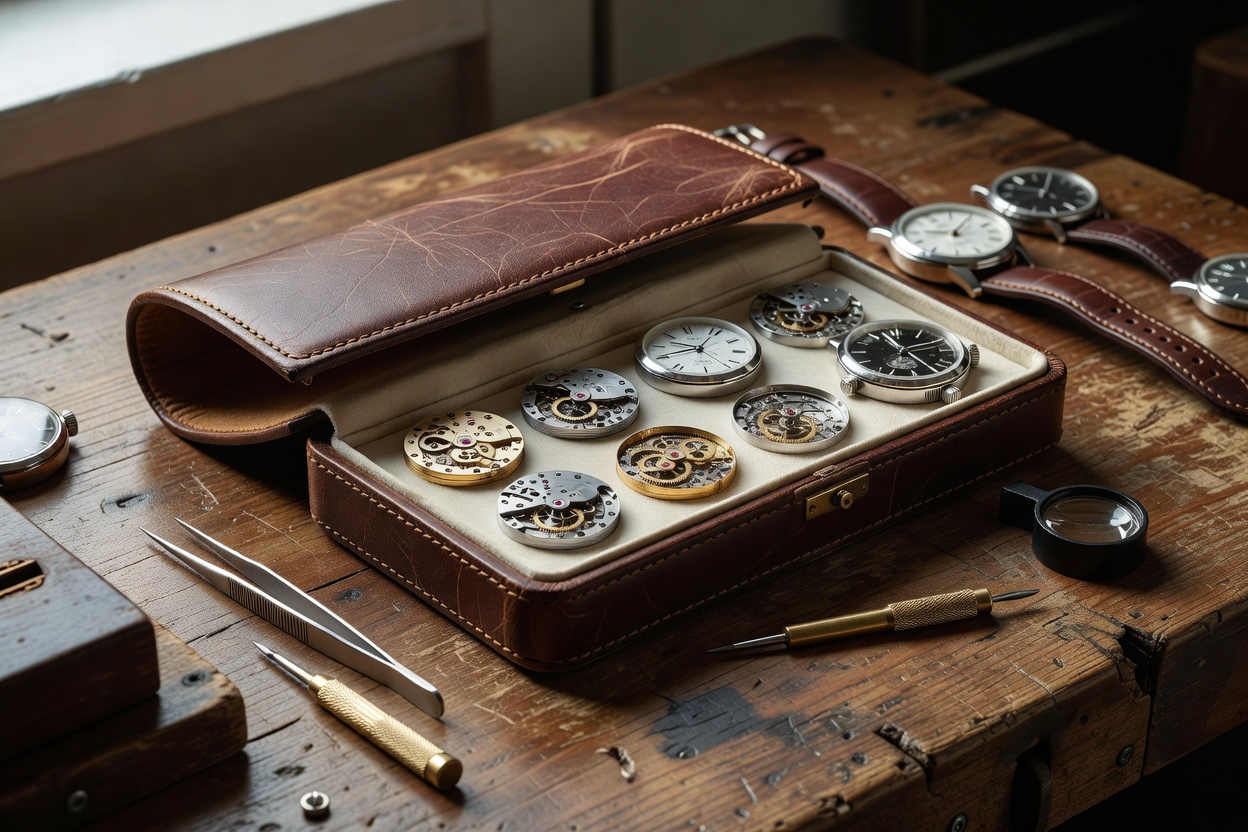
01 — Watch Servicing
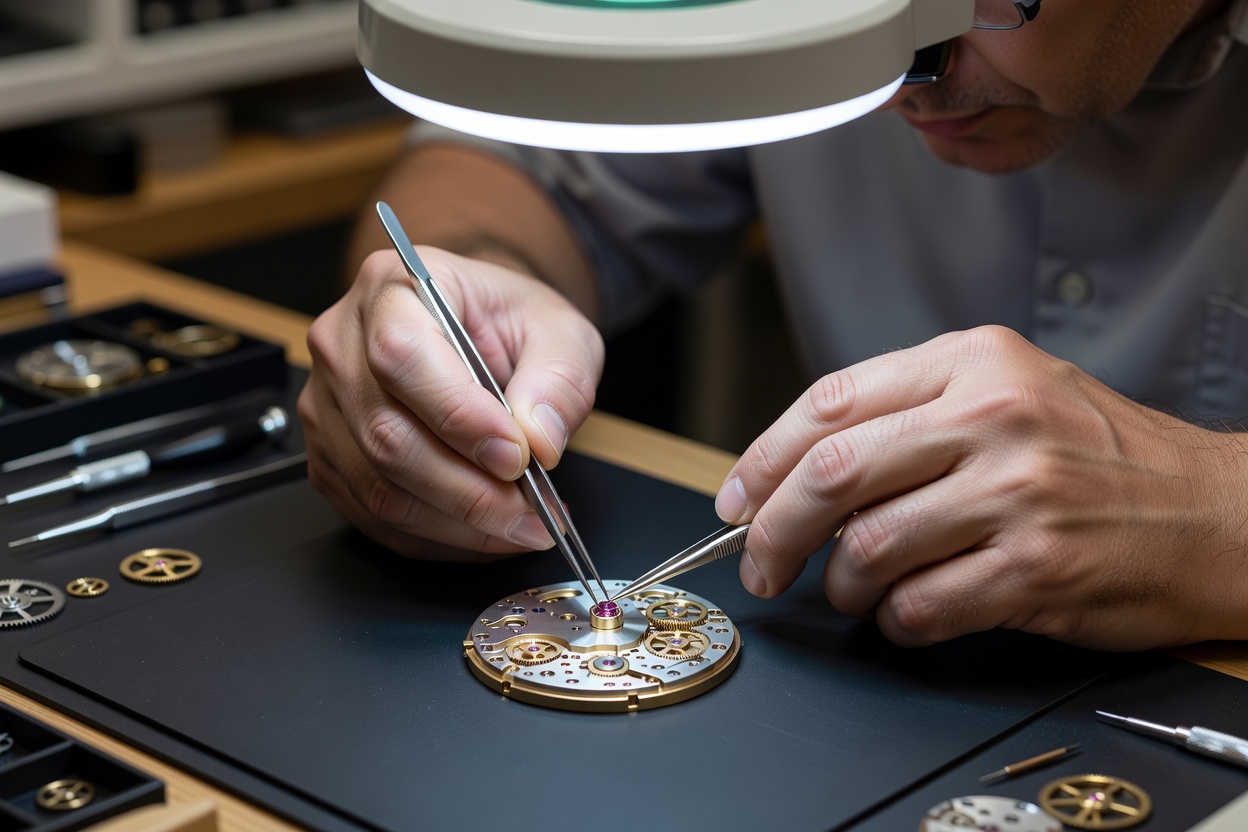
Routine mechanical overhauls involve complete ultrasonic degreasing, epilame boundary treatment, modern synthetic lubrication, pallet jewel alignment, and dynamic timing regulation.
Understanding servicing protocols, restoration conservation, movement lubrication, and bench inspection standards across independent European watch workshops. We bridge the gap between watch collectors and the technical realities of mechanical maintenance.
If you have collected or worn mechanical watches for any length of time, you know how opaque maintenance can feel. One atelier quotes six weeks for an amplitude check and barrel arbor bushing replacement; an authorized service center demands twelve months, insists on replacing your faded original bezel, and polishes out the crisp factory bevels you specifically asked them to preserve.
The Horology Workshop Network was assembled to give watch owners an honest, technically grounded vantage point. We do not sell watches, we do not take commissions from component suppliers, and we avoid the hyperbolic luxury clichés that clutter the industry. Mechanical watches are micro-mechanical instruments driven by stored spring tension, escapement friction, and oil viscosity. Understanding how they run—and how regional workshops treat them—is the best protection for your timepiece.
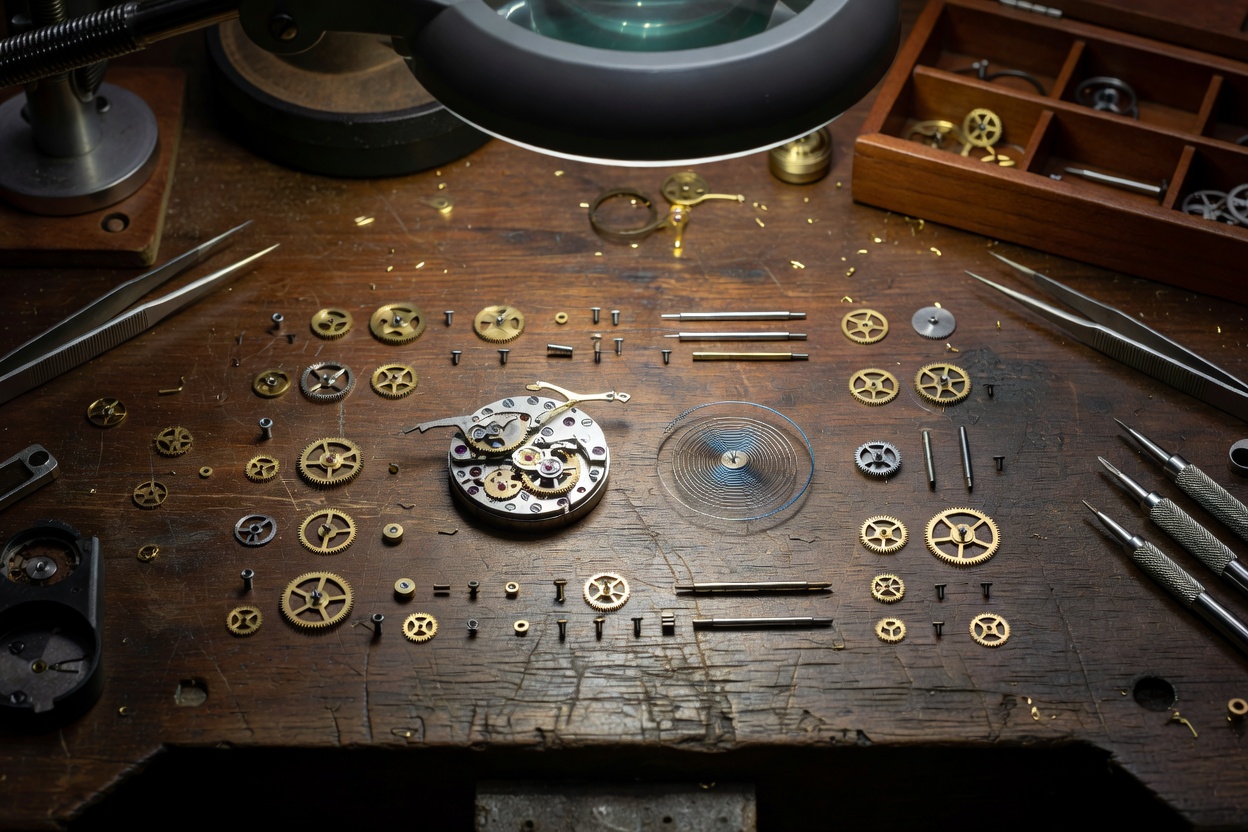
From everyday wear habits to comprehensive movement restoration, explore the essential workflows governing mechanical horology.
Routine mechanical overhauls involve complete ultrasonic degreasing, epilame boundary treatment, modern synthetic lubrication, pallet jewel alignment, and dynamic timing regulation.
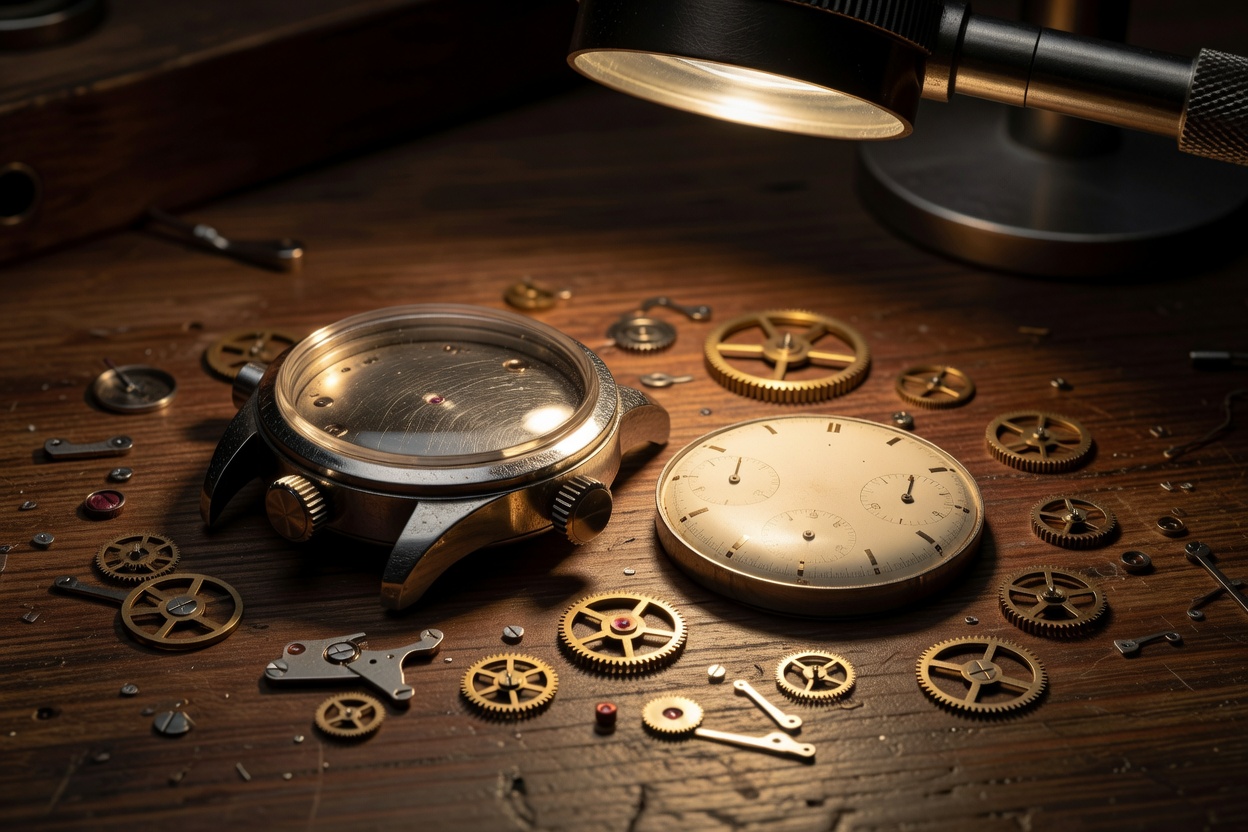
Restoration requires a conservative philosophy: stabilizing fragile dial varnishes, manufacturing custom balance staffs on a watchmaker lathe, and avoiding aggressive lapidary wheel polishing.
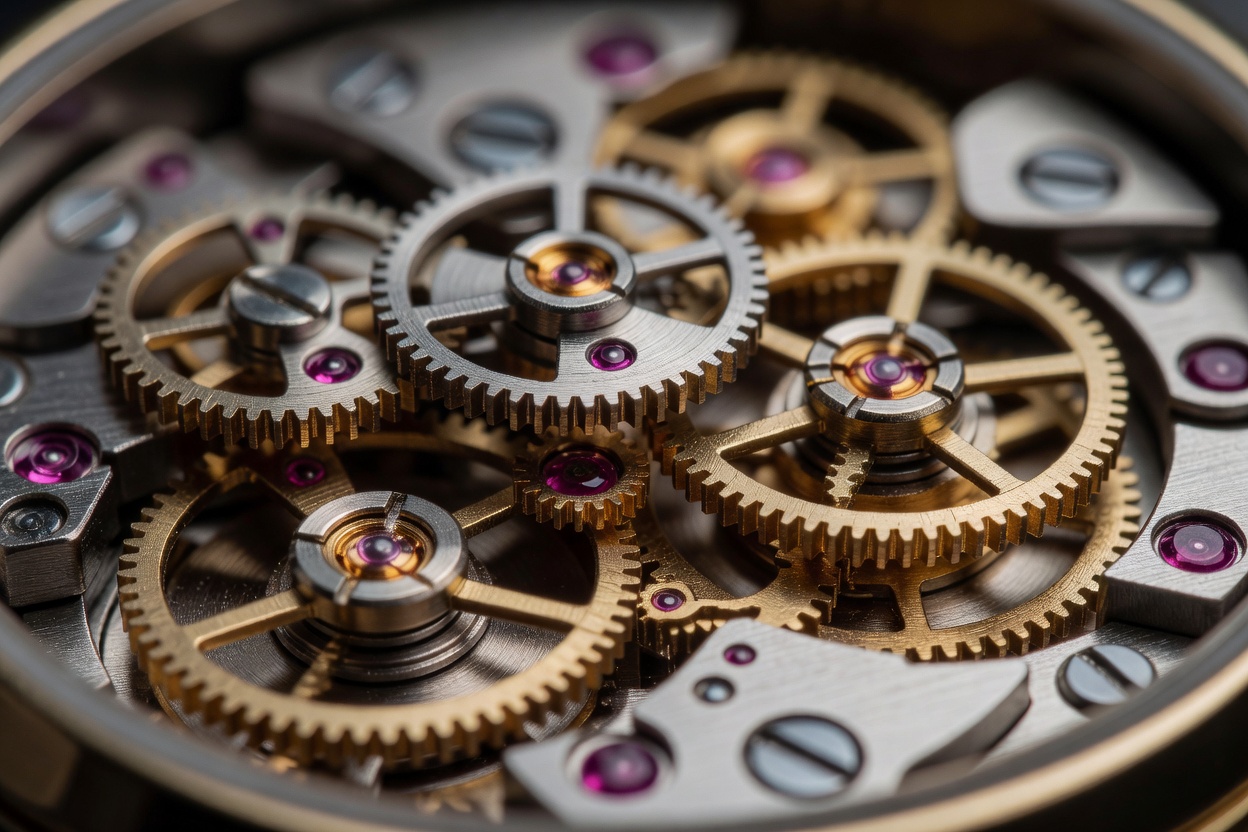
Understand the physics inside the case. Learn how mainspring fatigue, magnetism from modern electronics, pivot friction, and thermal variation influence your daily rate and amplitude.
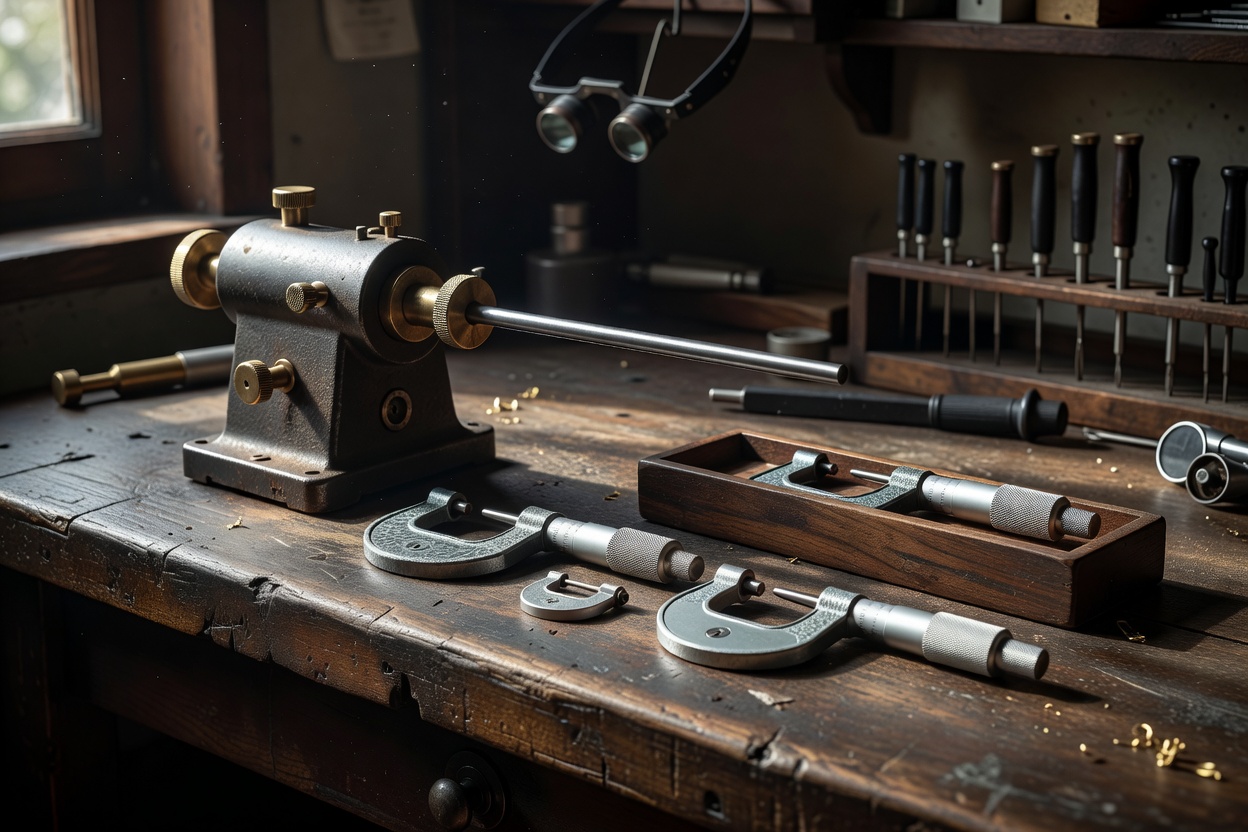
How to assess independent ateliers before shipping a prized watch. What diagnostic apparatus should they run? How do they handle parts supply, insurance transit, and return condition reports?
Practical, day-to-day stewardship: crown screw-down habits, date-change danger zones, ultrasonic cleaning dos and don'ts, magnetic field awareness, and proper strap maintenance.
Before sending your mechanical watch to any European atelier or authorized center, work through these preparation checkpoints. Your selections persist in your browser for convenience.
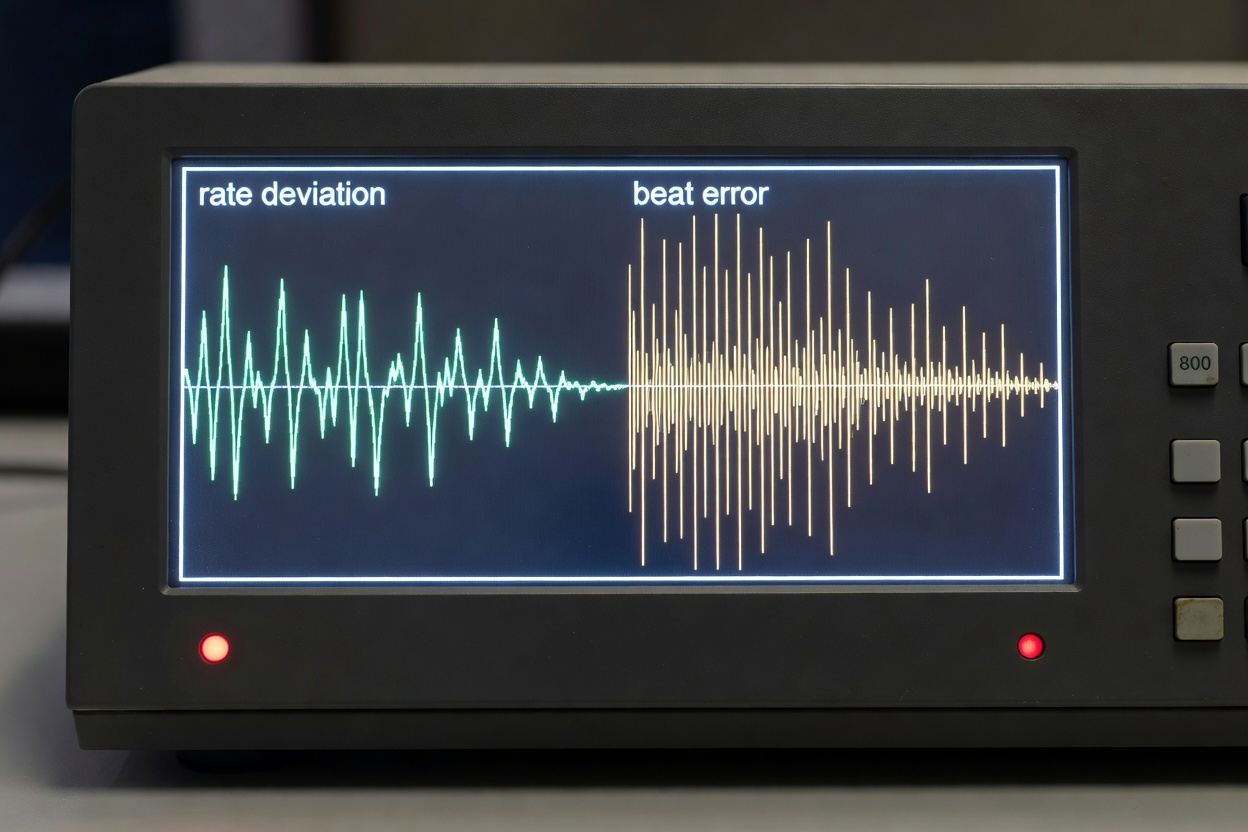
An acoustic microphone detects the tiny impulses of the escapement pallet stones striking the escape wheel teeth: the unlocking, the impulse, and the drop. When analyzed across 5 static positions (dial up, dial down, crown down, crown left, crown up), the trace tells a forensic story.